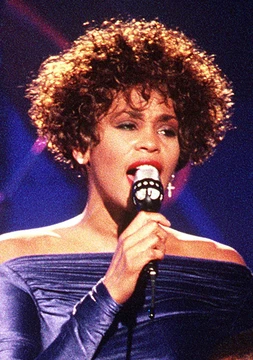
Newark, New Jersey
The city where a gospel child first opened her mouth and changed pop music forever.

Kenneth C. Zirkel · CC BY-SA 4.0
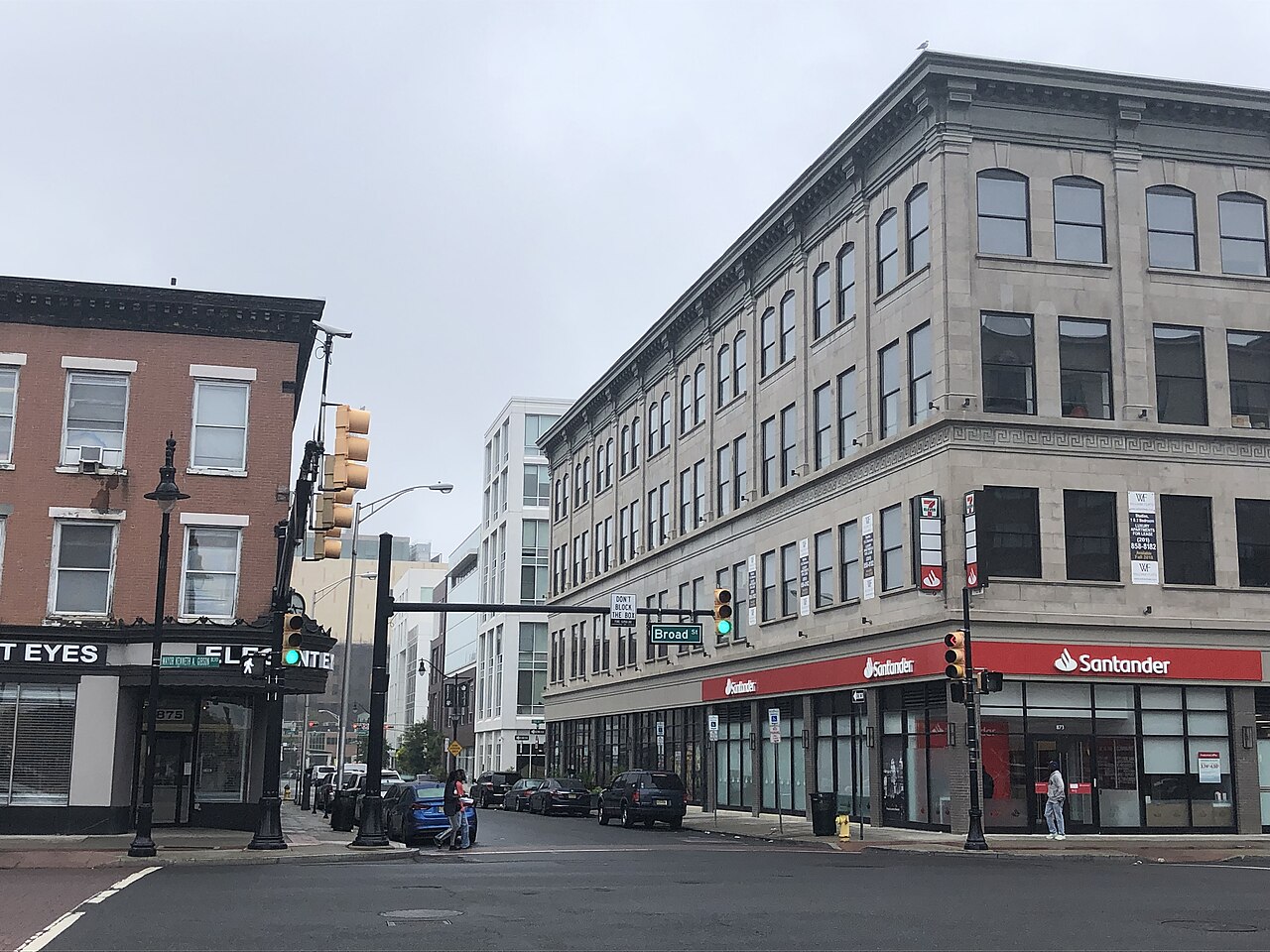
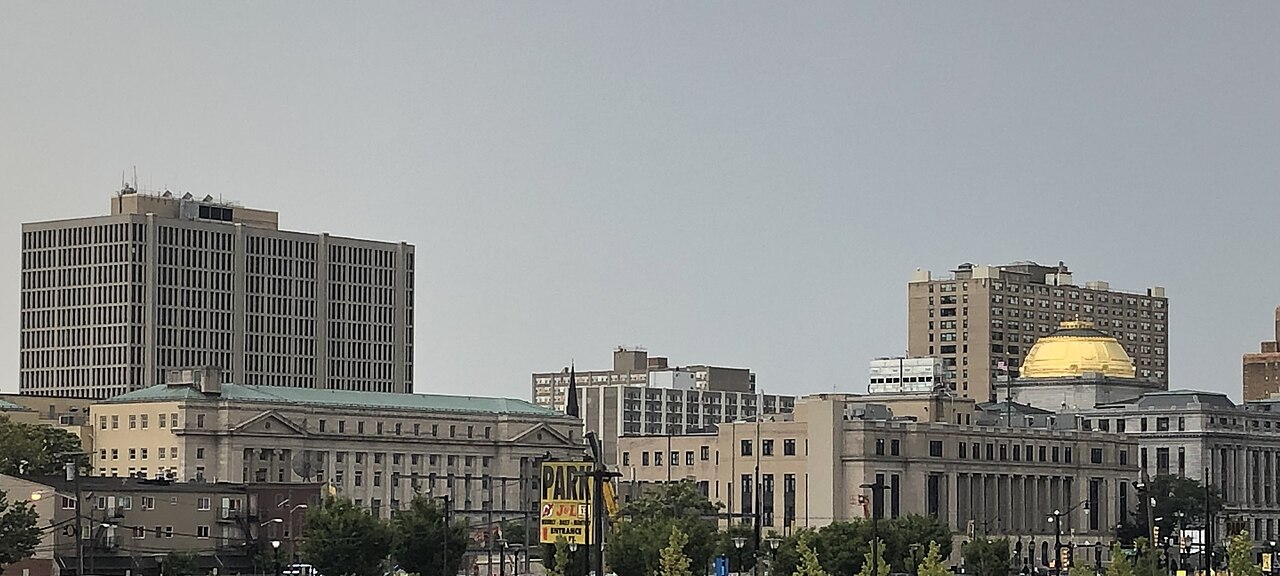
Newark, New Jersey is the birthplace and childhood home of Whitney Houston, the city where her story as a singer began. Situated in Essex County, Newark provided the neighborhood streets, the Baptist church pews, and the close-knit family environment that shaped the young girl who would go on to become one of the most celebrated voices in popular music history. In the broader narrative of Houston's life, Newark is the place where gospel first entered her bloodstream, where her mother Cissy's powerful voice filled the sanctuary, and where the young Whitney first stood before a congregation and discovered that singing was not a hobby but a calling.
- Family connection
- Home of the Houston household; her father John Houston was an administrator and city worker, not a pastor
Verified Timeline
Lore & Background
Newark in the early 1960s was a city of strong church communities and working-class neighborhoods. Into that world, on August 9, 1963, Whitney Elizabeth Houston was born at Newark Beth Israel Medical Center to Emily 'Cissy' Houston, a Grammy-winning gospel and soul singer, and John Russell Houston Jr., a former Army serviceman who later became an administrator under Newark mayor Kenneth A. Gibson. The household was saturated with hymns and spirituals. Houston was raised in the Baptist faith and joined the junior choir at New Hope Baptist Church in Newark at around age 11 or 12. She made her solo performance debut at New Hope singing the hymn 'Guide Me O Thou Great Jehovah' at age 11 (around 1974). Around this same period, she told her mother that she wanted to pursue a career in music. Houston would be trained on how to sing by Cissy throughout her teen years. At nearly four years old, Houston witnessed the Newark race riots of July 1967. The Houston family relocated to a suburban area of East Orange, New Jersey, around 1972 or later. Prior to moving to East Orange, the Houstons had raised their children on Newark's Wainwright Street.
In Their Own Story
The pews of New Hope Baptist Church smelled of floor wax and old hymnals. On the platform, a girl of twelve stood with her hands clasped, waiting for the congregation to settle. Her mother's voice had just finished a solo, and now the pastor turned to the girl. She stepped forward. The first note she sang was not loud. It was not showy. It was simply there, filling the small wooden room the way light fills a glass. The congregation went still. Her mother, in the front row, closed her eyes and let out a long, slow breath. Somewhere in the back, an old woman started to weep. The girl did not know yet that this small act, in this small church, in this city she would one day leave and never fully escape, was the first brick in a cathedral the whole world would build around her voice.
Reader's Guide
Newark, New Jersey is the geographic and emotional origin point of Whitney Houston's life story. As the largest city in New Jersey, it sits in Essex County. In the context of her biography, it is the setting of her birth in 1963, her childhood, her earliest musical training, and the family environment that defined her artistic identity. Its role in the narrative is foundational rather than episodic. The New Hope Baptist Church, the Houston household on Wainwright Street, the neighborhood streets—these are the textures that biographers and fans return to when they want to understand where the voice came from. It matters because it grounds a global superstar in a specific, church-centered community. Newark reminds the audience that the most powerful voice in pop music was not manufactured in a studio but raised in a home where gospel was dinner and the pulpit was the first stage.
Did You Know?
- Whitney Houston was born on August 9, 1963, at Newark Beth Israel Medical Center in Newark, New Jersey.
- At nearly four years old, Houston witnessed the Newark race riots of July 1967.
- Houston made her solo performance debut at New Hope Baptist Church in Newark singing the hymn 'Guide Me O Thou Great Jehovah' at age 11 (around 1974).
- Houston attended Franklin Elementary School for part of her childhood; the school was renamed the Whitney E. Houston Academy of Creative and Performing Arts after her death, with the renaming officially taking effect in
- Prior to moving to East Orange, the Houstons raised their children on Newark's Wainwright Street.
Chart Dominance and Lasting Musical Legacy
Whitney Houston's commercial footprint remains staggering by any measure. With over 220 million records sold globally, she stands among the best-selling artists in history. On the singles front, she accumulated eleven number-one hits on the Billboard Hot 100 and remains the only performer in chart history to string together seven consecutive top-of-chart singles. "I Will Always Love You" endures as the best-selling single ever recorded by a woman and carries a diamond certification from the RIAA. Houston was also the first Black artist to collect three diamond-certified albums. Rolling Stone placed her second on its 2023 list of the greatest singers of all time, and Guinness World Records later named her the highest-earning posthumous female celebrity. Her career assets totaled roughly $250 million, accumulated over twenty-five years of work.
Newark Roots and a Gospel Foundation
Whitney Elizabeth Houston entered the world on August 9, 1963, at Presbyterian Hospital in Newark, New Jersey, the daughter of Emily "Cissy" Drinkard Houston and John Russell Houston Jr. Her mother was a Grammy-winning gospel and soul vocalist who had founded The Sweet Inspirations before pursuing a solo career, while her father, a former Army serviceman, later served as an administrator under Newark mayor Kenneth A. Gibson. The family lived on Wainwright Street before relocating to Doddtown in East Orange after Cissy signed a solo recording contract in 1970. Houston, nicknamed "Nippy" by her father and named after actress Whitney Blake, was raised in the Baptist faith. She joined the choir at New Hope Baptist Church at age five, learned piano there, and gave her solo debut at twelve in November 1975, singing the hymn "Guide Me O Thou Great Jehovah." Cissy personally coached her vocal technique throughout her teenage years. Her musical influences extended to her cousins Dionne and Dee Dee Warwick, as well as Karen Carpenter, Aretha Franklin, Chaka Khan, Gladys Knight, and Roberta Flack. She attended Franklin Elementary School—now the Whitney E. Houston Academy of Creative and Performing Arts—before transferring to Mount Saint Dominic Academy, a Catholic girls' high school in Caldwell.
Hollywood Crossover and the Soundtrack Era
Houston's foray into film transformed both her career and the landscape of music tied to cinema. Her 1992 starring role in The Bodyguard produced a soundtrack that became the best-selling soundtrack album of all time, won the Grammy for Album of the Year, and dominated the Billboard 200 for twenty weeks. She followed with Waiting to Exhale in 1995, The Preacher's Wife in 1996—whose soundtrack ranks as the best-selling gospel album ever—Cinderella in 1997, and Sparkle in 2012. Beyond acting, she stepped behind the camera as a producer on the The Princess Diaries franchise (2001–2004) and The Cheetah Girls series (2003–2006). Her 1991 rendition of "The Star-Spangled Banner" at Super Bowl XXV became one of the most celebrated live performances in sports history. This crossover success helped her break down longstanding gender and racial barriers in Hollywood, and her 2001 contract renewal with Arista Records at one hundred million dollars stood among the largest recording deals ever signed. Her ability to move fluidly between gospel, pop, R&B, and film made her a cultural icon whose influence stretched far beyond the recording studio.
Struggles, Final Comeback, and a Tragic End
After the blockbuster success of My Love Is Your Love in 1998—her first studio album in eight years—Houston's personal life began to erode her public image. Her marriage to singer Bobby Brown grew increasingly turbulent, and her struggle with drug use cast a shadow over Just Whitney (2002) and One Wish: The Holiday Album (2003), both of which failed to match her earlier commercial heights. The "America's Sweetheart" persona that had defined her for nearly two decades was tarnished by widely reported difficulties. Following her divorce from Brown, she staged a remarkable musical comeback with I Look to You (2009), which returned her to the top of the Billboard 200. Yet on February 11, 2012, Houston accidentally drowned in a bathtub at the Beverly Hilton hotel in Beverly Hills, California, with heart disease and cocaine use cited as contributing factors. The news broke on the same day as the 54th Annual Grammy Awards and was covered internationally. Her memorial service drew enormous attention, and her life and career have since been the subject of multiple documentaries and television specials.
Gallery
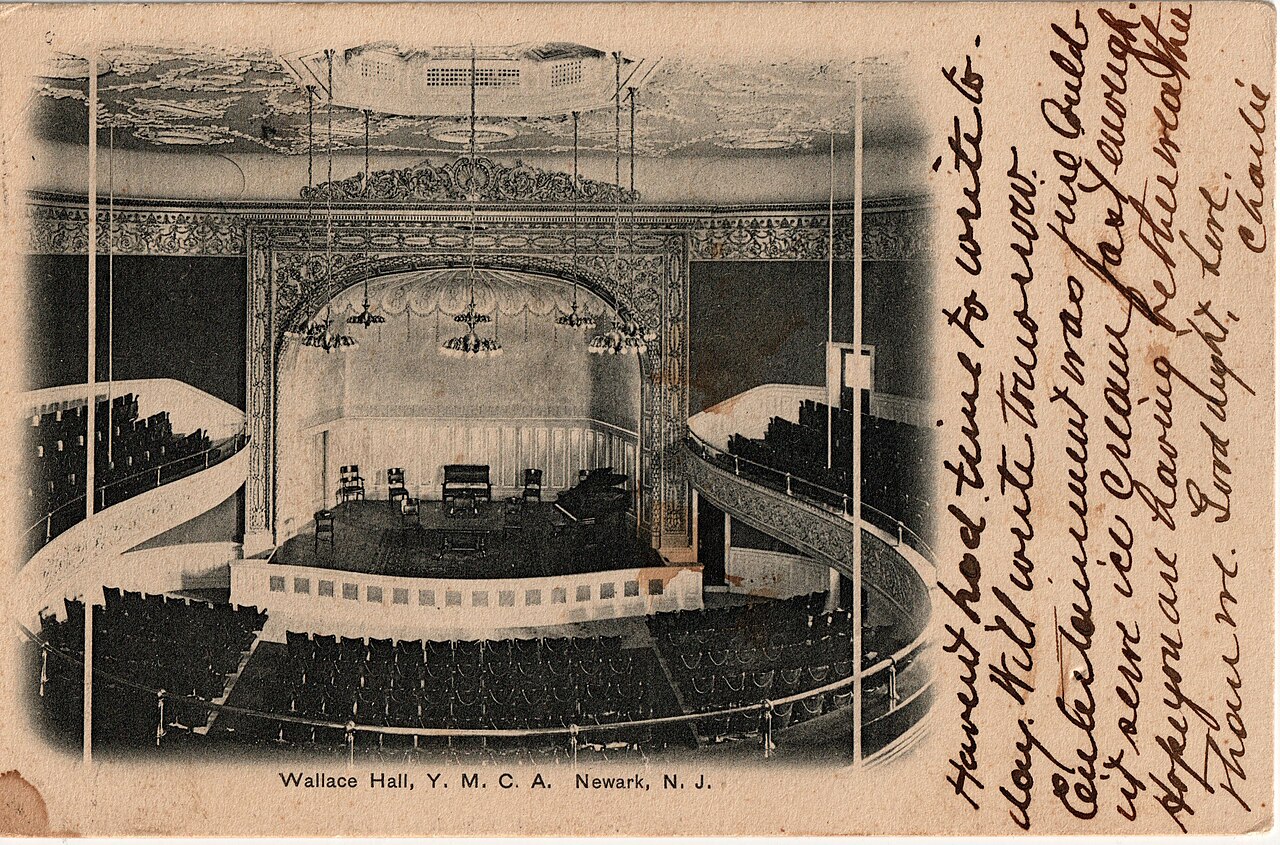
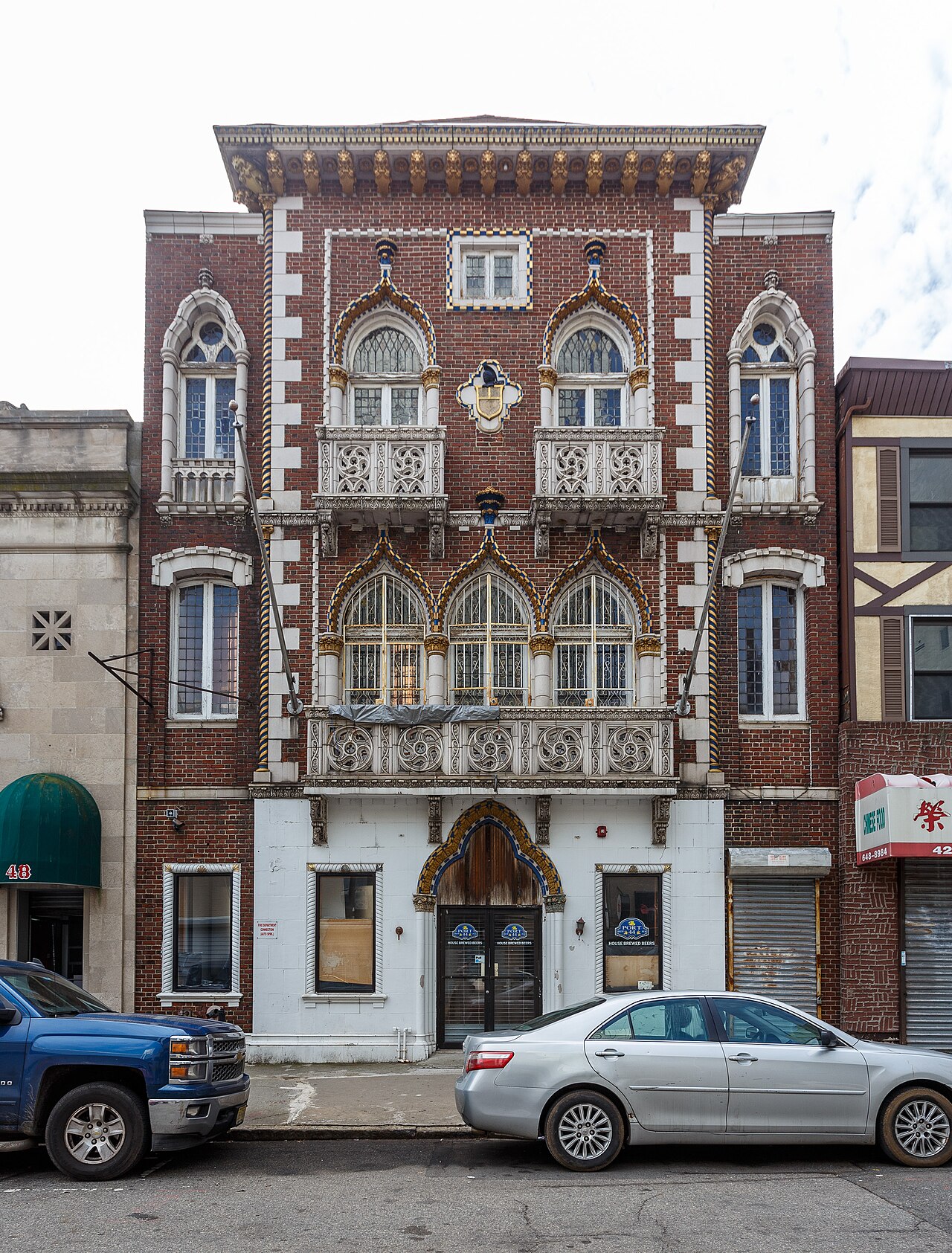
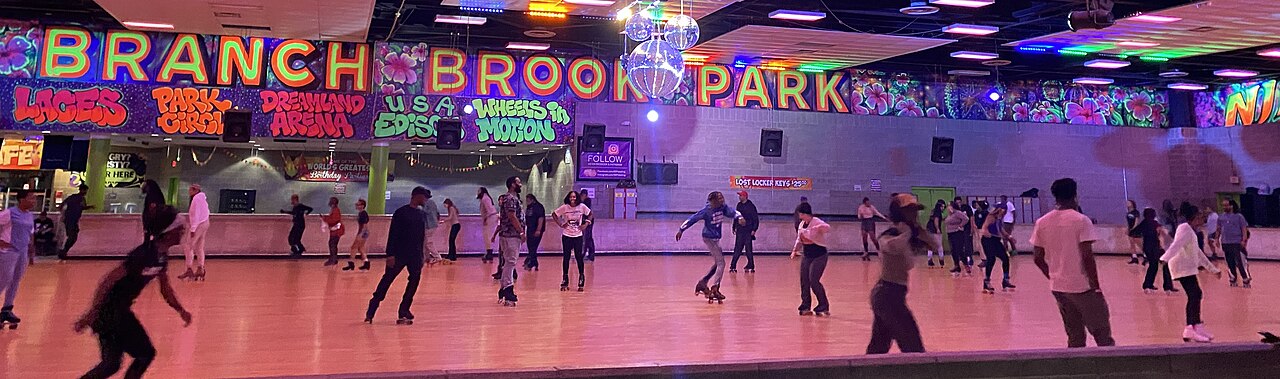
Frequently Asked Questions
What role does Newark, New Jersey play in Whitney Houston's story?
Newark was her birthplace and childhood home, the city where she first opened her mouth in a church choir and absorbed the gospel and R&B that would define her career. It functions as the foundational setting of her entire narrative rather than a mere backdrop.
Where in Newark did Whitney Houston grow up?
She was raised in the neighborhood surrounding New Hope Baptist Church in Essex County, New Jersey, where the Houston household was centered under the pastorate of her father, John Houston. That close-knit community and church environment shaped her earliest musical development.
What church in Newark was important to Whitney Houston?
New Hope Baptist Church was the key setting where young Whitney first sang in the choir and picked up the gospel and R&B influences that anchored her style. Her father served as pastor there, making the building both a spiritual home and her very first performance space.
Why is Newark, New Jersey significant to Whitney Houston fans?
It is the city where her story literally began in 1963 and where the Houston family rooted themselves before she ever reached a national stage. Fans often point to Newark as the origin point of the voice and the person who would become a global icon.
When does Newark first appear in Whitney Houston's narrative?
The city enters her story at her birth in 1963, serving as the location of her earliest years and the place where her musical gifts first emerged. It remains the formative backdrop for her childhood before she moved on to a wider world.
More in World & Setting
Related in Whitney Houston
Links follow this subject's own source article.
Elsewhere in the Whitney Houston universe
Spotted an error? Know more?
This is a living reference — every entry is fact-audited, and reader corrections feed straight into our audit queue. Suggest an edit · See this site's audit record