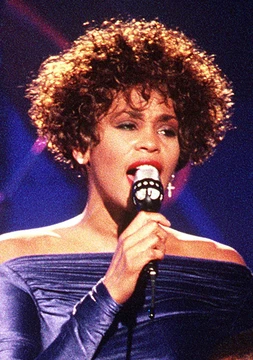
The Recording Academy
Where a voice from New Jersey became a standard the whole industry measures against.

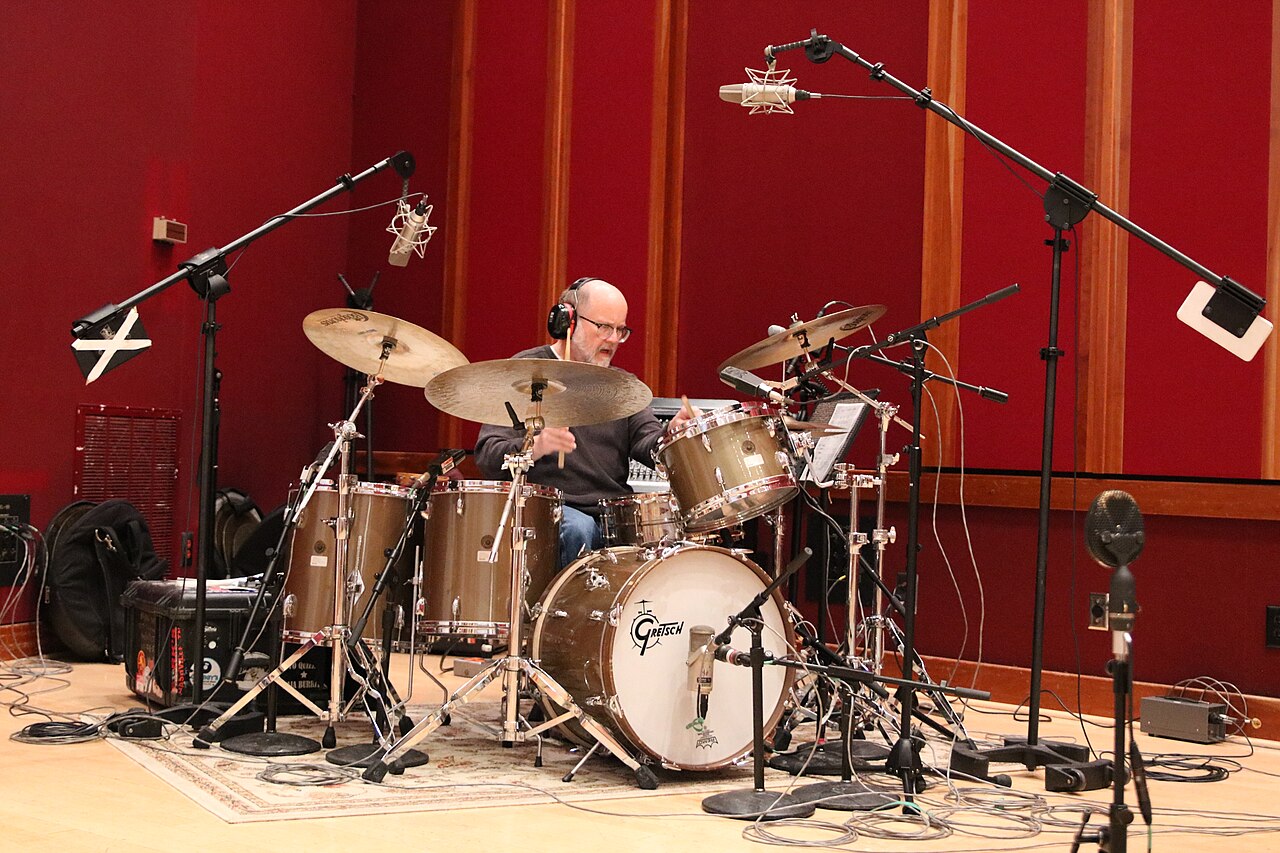
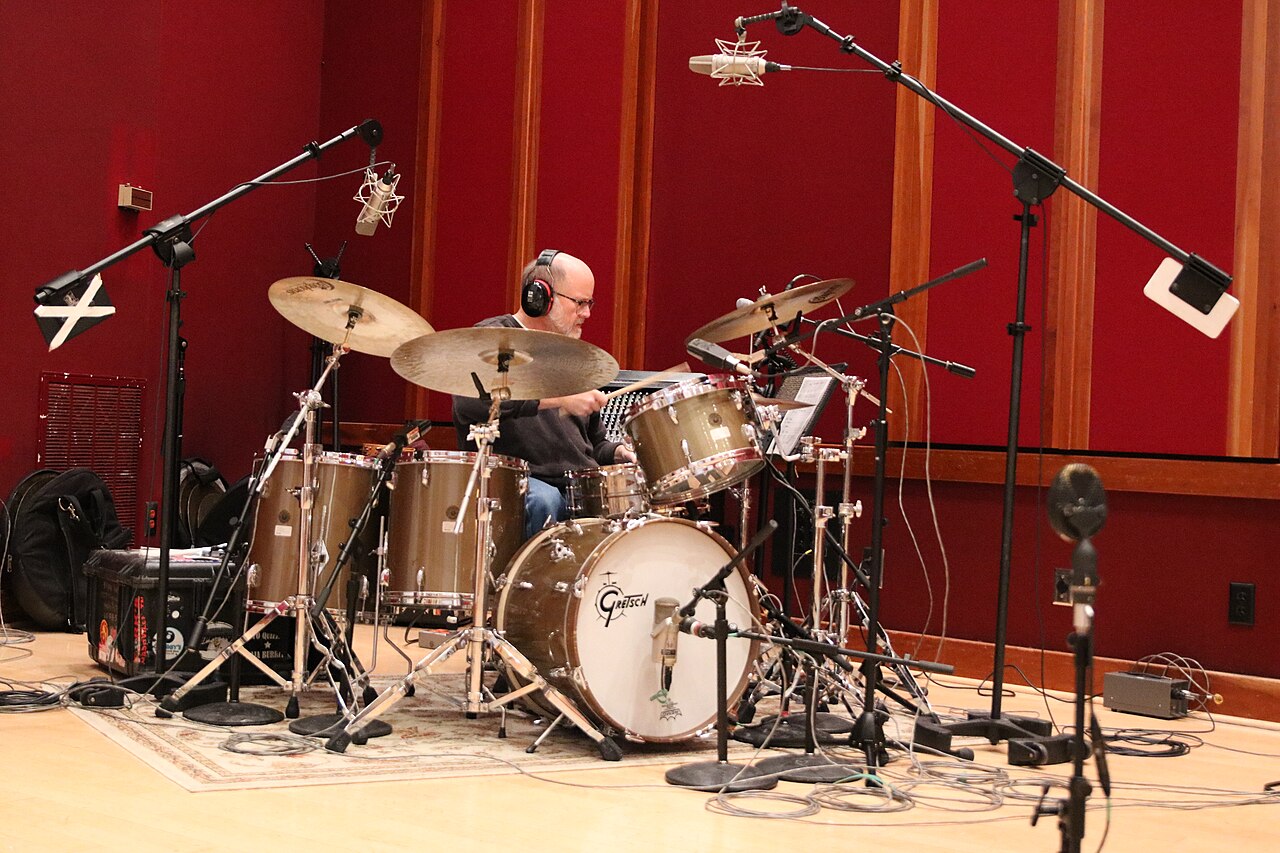
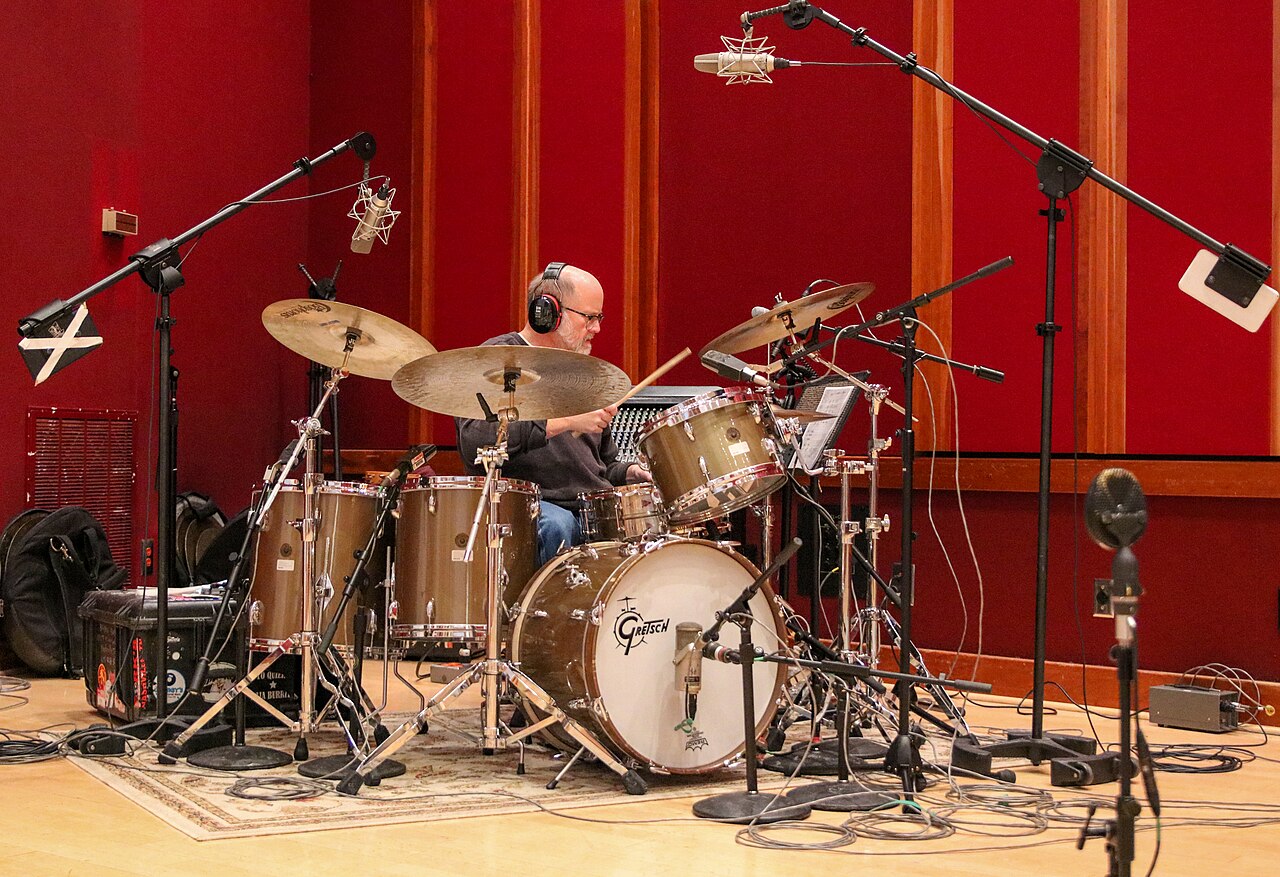
The Blackbird Academy · CC BY-SA 2.0
The Recording Academy is the professional body behind the Grammy Awards, the most widely recognized honor in the American music-recording industry. In the Whitney Houston fan universe it functions less as a bureaucratic institution and more as the ceremonial stage on which her artistry was measured, celebrated, and enshrined. From the moment she swept the 1985 ceremony as Best New Artist to her later Hall of Fame induction, the Academy's gilded rooms became a recurring backdrop in the story fans tell about her legacy. For fans, the Academy represents the institutional voice that said, in the language of gold-plated trophies, that Whitney's voice was not just popular—it was a benchmark. It is the faction that turned a singer from New Jersey into a five-time competitive Grammy winner and, ultimately, a permanent fixture in the Hall of Fame.
- Organization
- The Recording Academy (formerly the National Academy of Recording Arts and Sciences)
- Headquarters
- Los Angeles, California, USA
- Primary function
- Produces the Grammy Awards and maintains the Grammy Hall of Fame
- Whitney Houston connection
- Five competitive Grammy Awards; Grammy Hall of Fame induction
- Status
- Active
Lore & Background
In the fan-imagined world of Whitney Houston, the Recording Academy is less a boardroom than a temple. Its voting members—producers, engineers, songwriters, and performers—gather each year in a grand Los Angeles hall to crown the recordings of the past. For Whitney, those ceremonies were not distant events; they were the moments the story turned. The 1985 ceremony, where a twenty-five-year-old from New Jersey walked away with the Best New Artist trophy, is remembered by fans as the night the industry collectively exhaled and said, 'There she is.'
The Academy's relationship with Whitney deepened over the decade. Her wins for pop vocal performance became shorthand for a particular kind of excellence: a voice that could hold a note like a cathedral holds silence, then crack it open with a run that made the audience forget to breathe. Fans often describe the Academy's judgment in those years as almost reverent, as if the voters were not scoring a performance but witnessing one. The Hall of Fame induction is the final chapter fans love to retell. It is the moment the Academy stopped being a judge and became a curator, placing Whitney's recording in a permanent collection alongside the legends who came before. In fan discourse, that induction is treated as the institution's way of saying, 'We were not just recognizing a year. We were recognizing an era.'
In Their Own Story
The chandelier above the stage threw a thousand tiny stars across the velvet curtain. Behind the scenes, a young woman in a white gown pressed her palms flat against the dressing-room mirror, feeling the tremor in her hands. The Recording Academy's producer called her name through the intercom—calm, procedural, the same tone he'd used for forty other artists that night. But the room beyond the curtain was not the same room. The audience had been murmuring, and now the murmuring had stopped. She stepped out, and the silence broke into a roar that felt less like applause and more like the building itself exhaling. She held the small gold figure up to the light, turned it once, twice, and whispered to no one in particular: 'Thank you, New Jersey.' Then she set it on the podium, smiled for the cameras, and walked back into the wings while the sound of the Academy's own history—decades of voices, decades of gold—faded behind her like a closing curtain.
Reader's Guide
The Recording Academy is the institutional heart of the Whitney Houston fan narrative. It is the body that convenes the Grammy Awards, maintains the Hall of Fame, and sets the standards against which a recording career is judged. Its members are industry professionals—producers, engineers, songwriters, and performers—who vote on the year's honors. In the fan-imagined conflict, the Academy represents the tension between institutional recognition and artistic truth. Whitney's wins are celebrated not just as trophies but as the moment the system acknowledged that her voice transcended genre, era, and expectation. Her five competitive Grammys and her Hall of Fame induction are the faction's most cited achievements in her story. The Academy's role is ultimately that of a witness. It does not create the art; it frames it, dates it, and places it in a lineage. For fans, that act of framing is what turns a performance into a legacy, and a singer into a standard.
Did You Know?
- Whitney Houston won the Best New Artist Grammy in 1985, launching a run of competitive wins that would total five across her career.
- The Recording Academy's Hall of Fame inducts recordings rather than artists, meaning Whitney's induction is tied to a specific track that fans still debate and celebrate.
- Whitney Houston performed at multiple Grammy telecasts over the years, making her one of the artists most associated with the ceremony's live stage.
From Slow Start to Chart Conquest
Whitney Houston's self-titled debut arrived on February 14, 1985, through Arista Records, but its commercial trajectory was far from immediate. The album initially received a sluggish response from buyers, only beginning to gain real momentum by mid-1985. That slow burn ultimately exploded into historic dominance: the record claimed the top spot on the Billboard 200 for fourteen consecutive weeks during 1986. It produced three number-one singles on the Hot 100—"Saving All My Love for You," "How Will I Know," and "Greatest Love of All"—a feat that made it the first debut album and the first album by a solo female artist to achieve that milestone in the United States. Internationally, the album reached number one in Canada, Australia, Norway, and Sweden, while peaking at number two in the UK, Germany, and Switzerland. Its sales legacy is staggering: certified Diamond by the RIAA on January 25, 1994, for ten million units, and later upgraded to 14× Platinum on January 27, 2023. With over 25 million copies sold worldwide, it stands as the best-selling debut album by a solo artist and the best-selling R&B album by a woman.
Six Years in the Making
Long before she signed with Arista, Whitney Houston had already spent six years immersed in the music world. She began as a background vocalist in her mother Cissy Houston's band, performing at exclusive Manhattan jazz nightclubs, and worked as a teenage session singer for artists including the Michael Zager Band, Lou Rawls, Chaka Khan, the Neville Brothers, and Herbie Mann. Between studio sessions, she briefly pursued modeling, becoming just the second Black model to grace the cover of Seventeen magazine in late 1981. Her mother, who insisted she finish high school at Mount Saint Dominic Academy, also trained her vocal abilities through gospel demo recordings. After graduation, Houston signed a production deal with Tara Productions. She recorded for both Elektra and CBS, earning praise from critic Robert Christgau. The breakthrough came in late winter 1983 at Seventh Avenue South, where Arista A&R man Gerry Griffith spotted her performing. He brought label head Clive Davis to Sweetwaters the next day, and after hearing "Home" and "The Greatest Love of All," Davis offered a contract. At just 19, Houston signed on April 10, 1983.
Grammy Recognition and Enduring Critical Acclaim
The album's critical and industry recognition came swiftly. At the 28th Grammy Awards in 1986, Houston received four nominations, including the prestigious Album of the Year, and took home the award for Best Pop Vocal Performance, Female, for "Saving All My Love for You." The following year, at the 29th Grammys, "Greatest Love of All" earned a Record of the Year nomination. The album also made history as the first by a female artist to top the Billboard Year-End Albums Chart for 1986. Its critical standing has only deepened over time: Rolling Stone magazine has included it on its list of the 500 Greatest Albums of All Time in every edition of that ranking. This consistent placement across multiple decades underscores that the album's impact extends well beyond its initial commercial success, cementing its position as a defining record in popular music history and a touchstone for the industry's highest honors.
Anniversary Editions and Cultural Longevity
The album's cultural footprint has been reinforced through thoughtful reissues tied to its milestones. For its 25th anniversary, Arista released Whitney Houston – The Deluxe Anniversary Edition on January 26, 2010. This expanded package included five bonus tracks, an a cappella rendition of "How Will I Know," original 12-inch remixes, a booklet tracing the history of the original album, and a DVD featuring live performances and interviews with both Houston and Clive Davis. Then, following a 35th anniversary celebration in February 2020, the label issued a new double-vinyl pressing on June 30, 2020, incorporating singles from Whitney Dancin' Special. That release also came with a box set containing a 40-page hardcover photo and lyric book. These editions demonstrate that the album continues to generate new interest across generations of listeners, preserving its sonic legacy in formats that honor both its original vision and the evolving expectations of collectors and fans.
Gallery
Frequently Asked Questions
What role does The Recording Academy play in Whitney Houston's story?
The Academy is the institutional stage on which her artistry was measured, celebrated, and ultimately enshrined, from her 1985 Best New Artist sweep to her Hall of Fame induction. For fans, it is the moment the broader recording world formally declared that a voice from New Jersey had set a new industry benchmark.
How many competitive Grammys did Whitney Houston win through The Recording Academy?
She collected five competitive Grammy Awards over the course of her career. Her recordings also earned a separate Grammy Hall of Fame induction, an honor the Academy bestows on works of lasting cultural significance.
Why is The Recording Academy important to Whitney Houston fans?
Fans treat the Academy as the institutional voice that translated her raw emotional power into a formal, industry-recognized standard. It is the recurring gilded backdrop in the legacy story they tell — the place where her greatness was not just felt but officially recorded in the record.
How does The Recording Academy's story with Whitney Houston end?
The arc closes with her Hall of Fame induction and the five competitive awards she accumulated, which fans frame as the industry's final, definitive acknowledgment of her stature. The Academy itself remains active, but in the fan canon its Whitney chapter is a completed, celebrated story rather than an ongoing one.
More in Factions & Groups
Elsewhere in the Whitney Houston universe
Spotted an error? Know more?
This is a living reference — every entry is fact-audited, and reader corrections feed straight into our audit queue. Suggest an edit · See this site's audit record