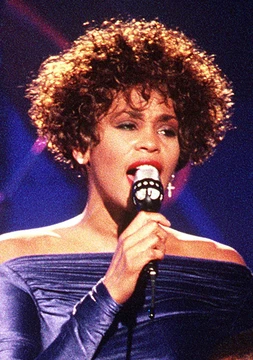
The Songwriters Hall of Fame
Where the architects of a million heartbeats finally get their standing ovation.

The Songwriters Hall of Fame is a New York–based institution dedicated to recognizing and preserving the art of songwriting and lyricism across every genre of popular music. For fans of Whitney Houston, it represents one of the most meaningful institutional acknowledgments of her role not merely as a legendary vocalist, but as a creative force who shaped melodies, co-wrote arrangements, and left a fingerprint on the architecture of modern pop and R&B songcraft. Within the Whitney Houston universe, the Hall functions as the ceremonial altar where the craft behind the performance is honored—where the invisible architects of a ballad or a power anthem are given the same spotlight the performer receives on a concert stage. Whitney's induction into its ranks stands as a testament to the fact that her artistry extended far beyond the microphone.
- Headquarters
- New York City
- Purpose
- Honoring and preserving the legacy of songwriters and lyricists
- Whitney Houston status
- Inducted member
- Recognition scope
- Songwriters and lyricists across all popular music genres
- Ceremony type
- Annual induction gala
Lore & Background
The Songwriters Hall of Fame was established in the late 1960s by a group of celebrated lyricists and composers who felt that the creative minds behind the songs deserved a permanent home of recognition, separate from the performers who brought them to life. Over the decades it has grown into one of the most respected institutions in the music world, inducting names that span jazz, rock, country, R&B, and pop. Its annual ceremony is less a concert and more a living museum: a stage, a microphone, a hall of names, and the quiet weight of legacy. Whitney Houston's connection to the Hall is layered. While the world knew her as the voice that could shatter glass and mend it in the same breath, the Hall recognized the songwriter in her—the artist who co-crafted hooks, shaped melodic contours, and contributed lyrical ideas to recordings that became cultural touchstones. Her induction placed her among peers whose names are often invisible to casual listeners but whose fingerprints are on virtually every chart-topping record of the last half-century. For the Whitney Houston fan community, the Hall represents a kind of canonization. It is the place where the argument that she was 'just a singer' dissolves, and where the full creative scope of her artistry is formally, publicly, and permanently acknowledged.
In Their Own Story
The ballroom hums with the low murmur of three hundred guests in evening wear, champagne flutes catching the warm amber glow of chandeliers. A young archivist adjusts the microphone, testing the feedback, and for a moment the room is silent except for the soft tick of the stage clock. Then the emcee's voice rolls out, warm and unhurried, and the name is spoken. Applause blooms—not the polite, scattered kind, but the deep, chest-rumbling wave that starts in the back rows and crashes forward. On the wall behind the podium, a framed photograph catches the light: a young woman in a sequined jacket, eyes closed mid-note, the kind of expression that makes strangers in a crowded club feel like the world is speaking directly to them. The archivist sets down her notes, wipes her eyes, and whispers to no one in particular, 'They finally got it right.'
Reader's Guide
The Songwriters Hall of Fame operates as the institutional guardian of songwriting craft. Its stated goal is simple: ensure that the people who build a song's skeleton—melody, harmony, lyric, structure—receive the same enduring recognition as the voices that deliver them. Membership is by induction, not application. A peer committee reviews decades of output, cultural impact, and influence before a name is added to the Hall. Once inducted, a songwriter's name takes its permanent place in the institution's records, and their work is preserved in the Hall's archives for future study. In the broader Whitney Houston narrative, the Hall sits at the intersection of performer and creator. Whitney's induction affirms that her genius was not singularly vocal. She shaped songs. She co-wrote. She reimagined arrangements. The Hall is where that truth is stamped in official ink. For fans navigating the Whitney Houston universe, the Hall is less a faction in conflict and more a sanctuary of validation—a place where the full, complex, multidimensional artist is finally, formally, and irrevocably seen.
Did You Know?
- Whitney Houston's induction recognized her contributions as a songwriter and creative collaborator, not merely as a performer—a distinction the Hall exists specifically to draw.
- The Hall's archive preserves original manuscripts, demo recordings, and correspondence from inductees, making it a living research resource for music historians.
- Induction into the Hall is determined by a committee of peers, not by chart position or sales figures, meaning a songwriter's influence on other writers can weigh as heavily as commercial success.
More in Factions & Groups
Elsewhere in the Whitney Houston universe
Spotted an error? Know more?
This is a living reference — every entry is fact-audited, and reader corrections feed straight into our audit queue. Suggest an edit · See this site's audit record